All Categories
Featured
Table of Contents
For cool-season lawns, early fall is best, while warm-season grasses benefit from late spring rejuvenation. In the video above, Cook finishes this task throughout Oregon's mild, misty weather, which supplies outstanding conditions for turf growth. Follow these steps to bring your lawn back to life. Begin by cutting your yard to a height of 1-and-1/ 2 inches.
Gather the yard clippings to prevent smothering the lawn. Next, use a dethatcher to get rid of dead grass and thatch. This process opens the lawn, allowing air, water, and nutrients to reach the soil more quickly. Rake up and get rid of the thatch pulled from the yard. Use a gas-powered core aerator to produce small holes throughout the yard.
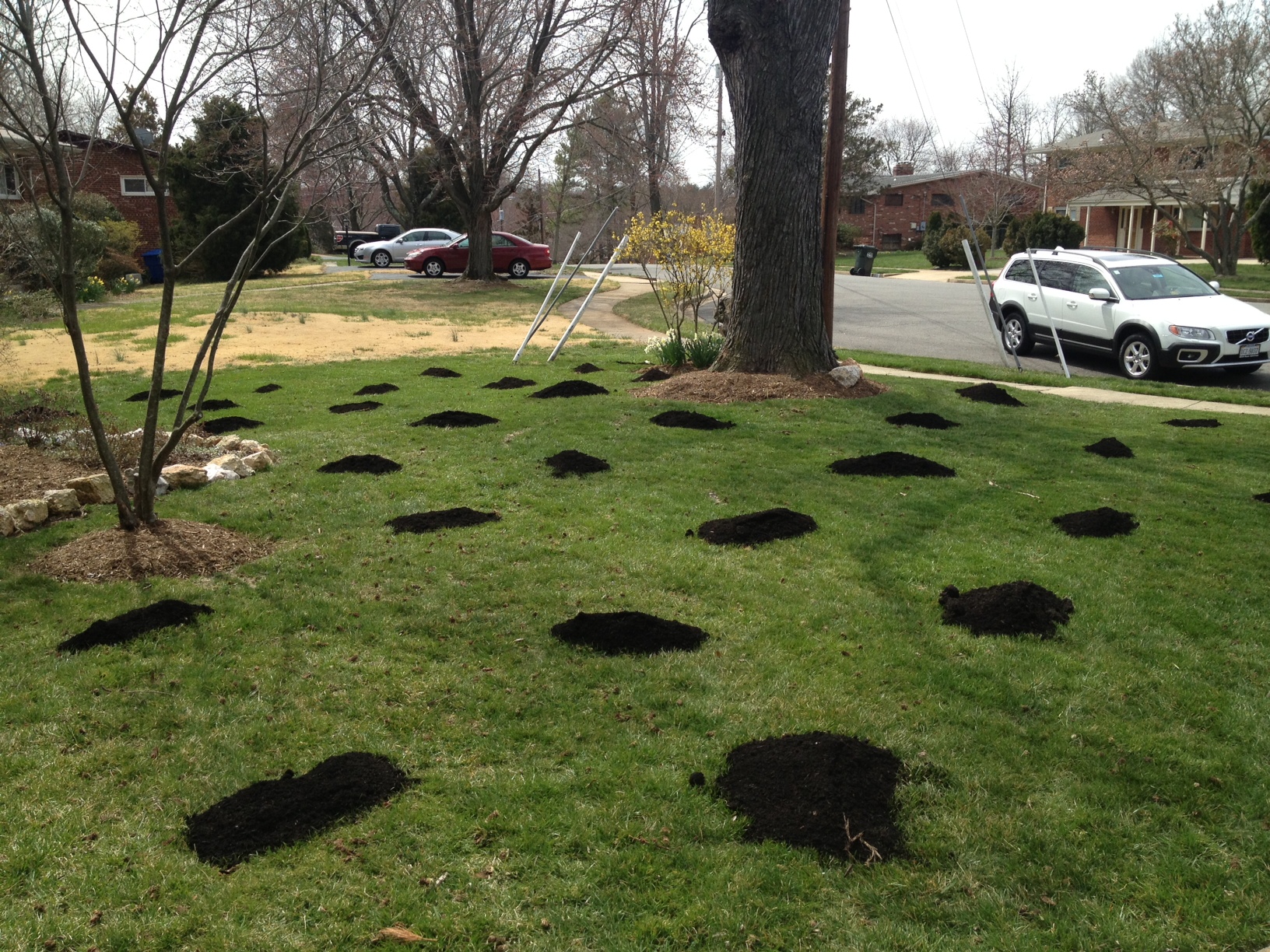
Roger Cook, This Old Home landscape contractor, discusses the mechanics: "The gas engine drives these spikes down into the ground. As they revolve, they go into the ground, come out, and they take out a casting, a piece of dirt, and it lays on the surface area in fact leaving a hole in the yard.
Compost includes nutrients and enhances soil structure. Conduct a soil test to examine the physical structure and nutrient material of your soil. Amend the soil based upon the test results. Roger Cook, This Old Home landscape specialist, stresses the importance of changing poor soil: "Plants can't grow in some of the junk that's left behind.
Complete Guide for DIY Turf Restoration
Overseed the yard with new lawn seed. Cook suggests utilizing a mix of turf seeds and using it at a rate of about 7 pounds per 1,000 square feet.
Seasonal ryegrass will germinate in five to seven days, with other yard types taking a little longer. Roger Cook, This Old House landscape professional, recommends: "On average, provide yard seeds a 5-minute shower two or 3 times a day.
Topdressing with a thin layer of soil or sand can help enhance soil structure and root development. This practice is particularly advantageous for lawns with unequal surfaces or minor dips. Spread the topdressing material uniformly throughout the yard and work it in with a rake. Effective weed management is crucial throughout the lawn renewal procedure.
Simple Organic Hacks for Vibrant Green Turf
Keeping weeds in check throughout the facility phase ensures that your new turf can thrive without competitors. Keeping the proper soil pH is important for optimal turf growth. Regularly check your soil's pH and make modifications as required. Lime can be contributed to raise pH, while sulfur can lower it.
Here are some suggestions to keep your lawn looking its finest: Aerate and dethatch each year or as needed. Apply fertilizer according to your grass type and soil needs. Control weeds through proper lawn care practices and spot treatments. Cut frequently at the proper height for your turf type. Water deeply but infrequently to motivate deep root growth.
Be prepared to address the following: New lawn requires consistent moisture to germinate, while developed yard has different water needs. Excessive water can trigger root rot in fully grown yard, while too little can avoid brand-new seeds from sprouting. Adjusting your watering schedule or using sprinklers created for even protection can assist manage this balance.
This can lead to unequal turf coverage and lost effort. Even with cautious seeding, some areas might grow faster or more largely than others, leading to a patchy yard.
Weeds can rapidly benefit from the bare areas or thin areas in a revitalizing yard, outcompeting young lawn. Utilizing a starter fertilizer with pre-emergent weed control or manually removing weeds can help lessen their spread during this susceptible stage.
How to Enhance Soil Health Naturally
A rich, green yard not only boosts the aesthetic appeal of your home however likewise acts as a welcoming outside area for relaxation and entertainment. As the entrance to your home, the condition of your lawn plays an important role in developing a positive very first impression. A well-manicured lawn adds to the general beauty of your residential or commercial property and can even increase its market price.
That's where our lawn remodelling guide can assist you. Yard remodelling surpasses routine upkeep; it includes a strategic overhaul to resolve existing problems, improve soil health, and improve overall strength. Believe of it as a makeover for your outside space, breathing new life into exhausted and lackluster lawns. While routine care includes mowing, watering, and fundamental weed control, remodelling steps up the video game, aiming to remedy problems like bare patches, compressed soil, and nutrient deficiencies.
Before diving into the restoration process, it's important to carry out an extensive evaluation of your lawn's present condition. Understanding the existing concerns will assist tailor your renovation strategy to attend to specific requirements.
Determining the kinds of weeds present will direct your weed control method during remodelling. Bare patches: Locate locations where the turf is sparse or absent. These spots may arise from heavy foot traffic, animal activities, or illness. Compressed soil: Soil compaction prevents root growth and water absorption. Determine locations where the soil feels tough and compressed.
Top Grass Varieties for Sunny Climates
To develop a customized plan for your yard's nutritional requirements, carry out a soil test. Understanding the soil composition helps identify the best fertilizers and modifications required for optimal plant development.
mysoil-starter-pack Related: Specify goals: Describe the objectives you desire to achieve through the renovation. Whether it's enhancing the overall look, addressing particular problems like bare patches, or improving the yard's resilience, clear objectives will direct your renovation strategy. Consider long-lasting sustainability: Believe beyond immediate cosmetic modifications. Consider how your remodelling can contribute to your lawn's long-term health and sustainability.
Think about the expenses connected with purchasing quality lawn seeds or sod, fertilizers, soil modifications, and any required devices like aerators or spreaders. In addition, consider the prospective expense of expert services or specialized tools if your job requires them. While it might be appealing to cut corners to minimize costs, buying top quality seeds, fertilizers, and soil amendments is vital for the long-lasting success of your lawn.
A properly maintained yard typically requires less upkeep and restorative procedures over time, potentially minimizing future costs. Research turf types appropriate to your region, considering aspects like temperature, sunlight, and soil conditions.

Table of Contents
Latest Posts
When You Desire To Enhance Your Method, Hire An Amsterdam Romance Advisor
Organic Nutrient Choices for LawnsStrategic Turf Restoration Secrets for Success
Top Organic Turf Management TipsEssential Steps for EnhancingLawn Density
Latest Posts
When You Desire To Enhance Your Method, Hire An Amsterdam Romance Advisor
Organic Nutrient Choices for LawnsStrategic Turf Restoration Secrets for Success
Top Organic Turf Management TipsEssential Steps for EnhancingLawn Density